Summer 2027 enrolment open — four batches across March, April & May in Tadoba & Pench
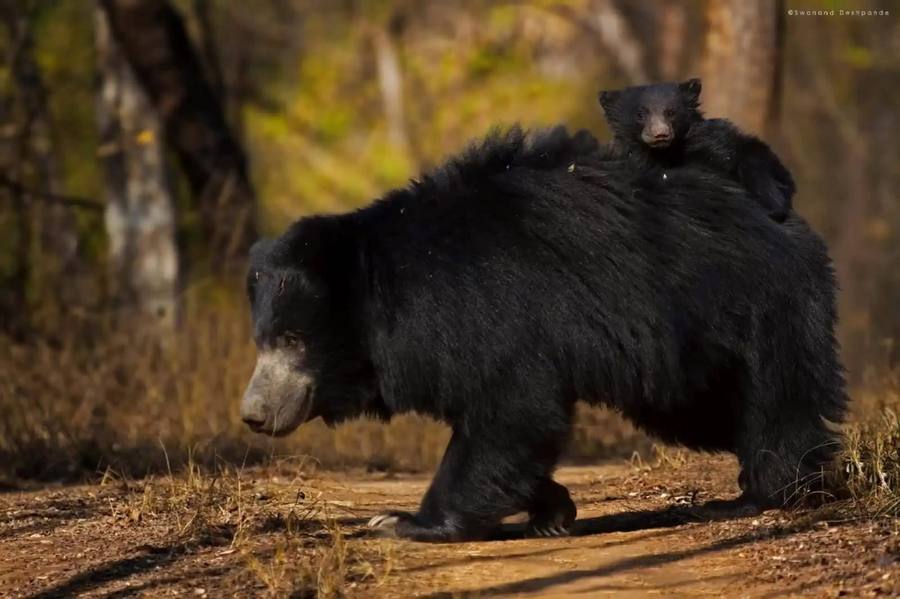
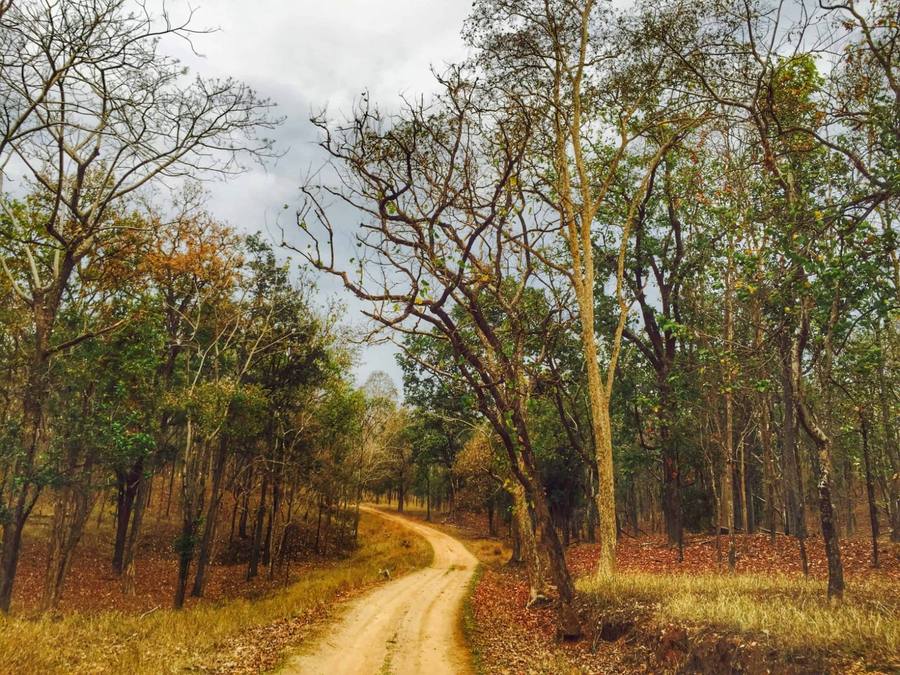
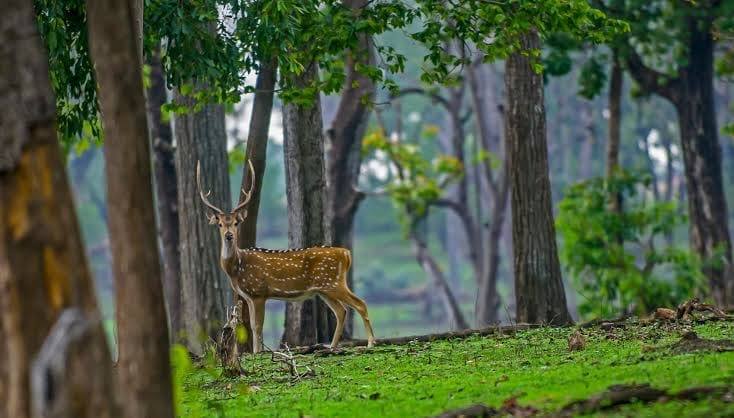
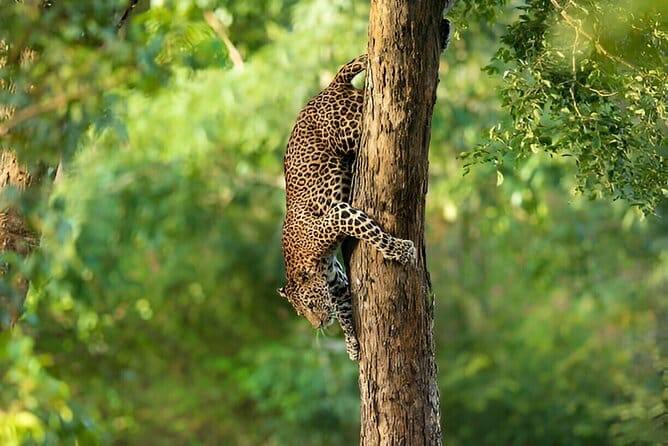
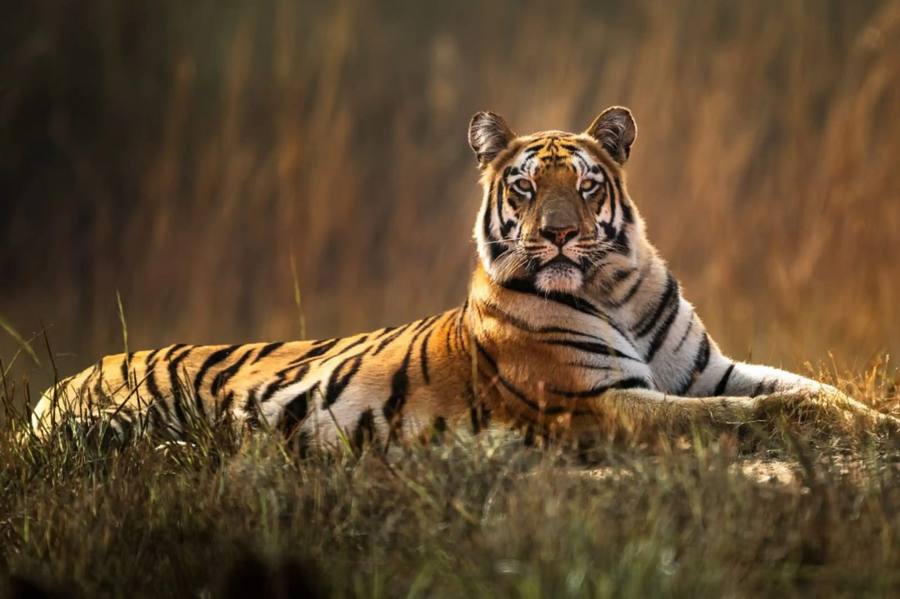
A Bengal tiger resting in golden grassland in Tadoba Andhari Tiger Reserve A sloth bear with her cub in central Indian forest A dirt safari trail winding through teak forest in Tadoba Chital deer grazing in the meadows of Pench Tiger Reserve A leopard photographed in Tadoba Tiger Reserve
March, April & May 2027 · Tadoba & Pench Wildlife Camps · Ages 10–15

Experiences they
never forget

Where Every Story Tells a Tale

Four-day expeditions for children aged 10–15 into the forests of central India — so a child comes home not just with photographs, but with a lasting love for the wild.

Connecting, not just visiting
Children observe closely, ask questions and discover the stories unfolding around them.
Small groups
Limited numbers mean more attention, exploration and connection with the wild.
Parent-first safeguarding
Child-friendly stays, trained camp staff and a doctor on call throughout every expedition.
Conservation at the centre
We operate inside forest regulations and teach children why those rules exist.
Summer 2027 Departures

Four batches.
March, April & May.

Four batches split between Tadoba Andhari Tiger Reserve in Maharashtra and Pench Tiger Reserve in Madhya Pradesh. Each batch offers children four days of immersive experiences, exploration and discovery in the wild.

March 2027 Batch 01

Tadoba Wild Ranger Expedition

Chandrapur, Maharashtra · via Nagpur
Duration4 days · 3 nights
Ages10–15, age-banded
DatesAnnounced shortly

March is the forest in colour — flame-of-the-forest in full bloom and birdsong at its loudest.
April 2027 Batch 02

Pench Wild Ranger Expedition

Seoni, Madhya Pradesh · via Nagpur
Duration4 days · 3 nights
Ages10–15, age-banded
DatesAnnounced shortly

The forest that gave Kipling The Jungle Book — teak, bamboo and the Pench River.

April 2027 Batch 03

Tadoba Wild Ranger Expedition

Chandrapur, Maharashtra · via Nagpur
Duration4 days · 3 nights
Ages10–15, age-banded
DatesAnnounced shortly

Late April — the canopy thins, sightlines open up and forest life gathers around the lakes.

May 2027 Batch 04

Pench Wild Ranger Expedition

Seoni, Madhya Pradesh · via Nagpur
Duration4 days · 3 nights
Ages10–15, age-banded
DatesAnnounced shortly

The last weeks before the monsoon, when the whole forest comes down to the river.
What We Set Out to Do

The Wild Stride starts with one step.

  • One step away from the screen
  • One step into the forest
  • One step towards curiosity, confidence and conservation
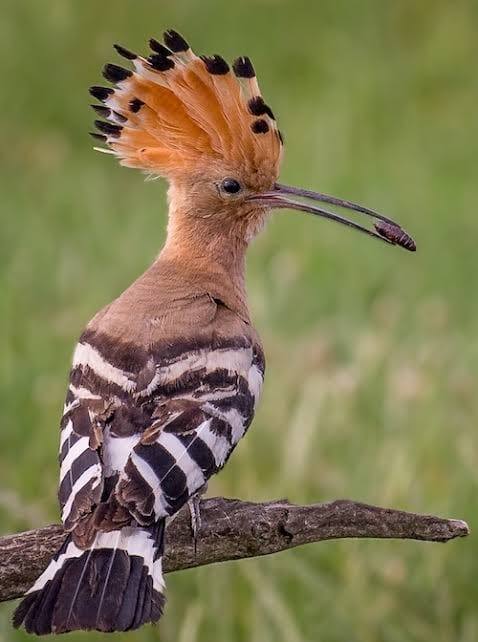
A hoopoe bird photographed in Pench Tiger Reserve

"When a child begins to notice the forest — the birds, the trees, the tiny creatures — something shifts. They begin to understand that they are part of a world much larger than themselves."

The Wild Stride
Where We Go

Two forests.
Different rhythms. The same sense of wonder.

Both are teak and bamboo forests of central India, both reachable from Nagpur.

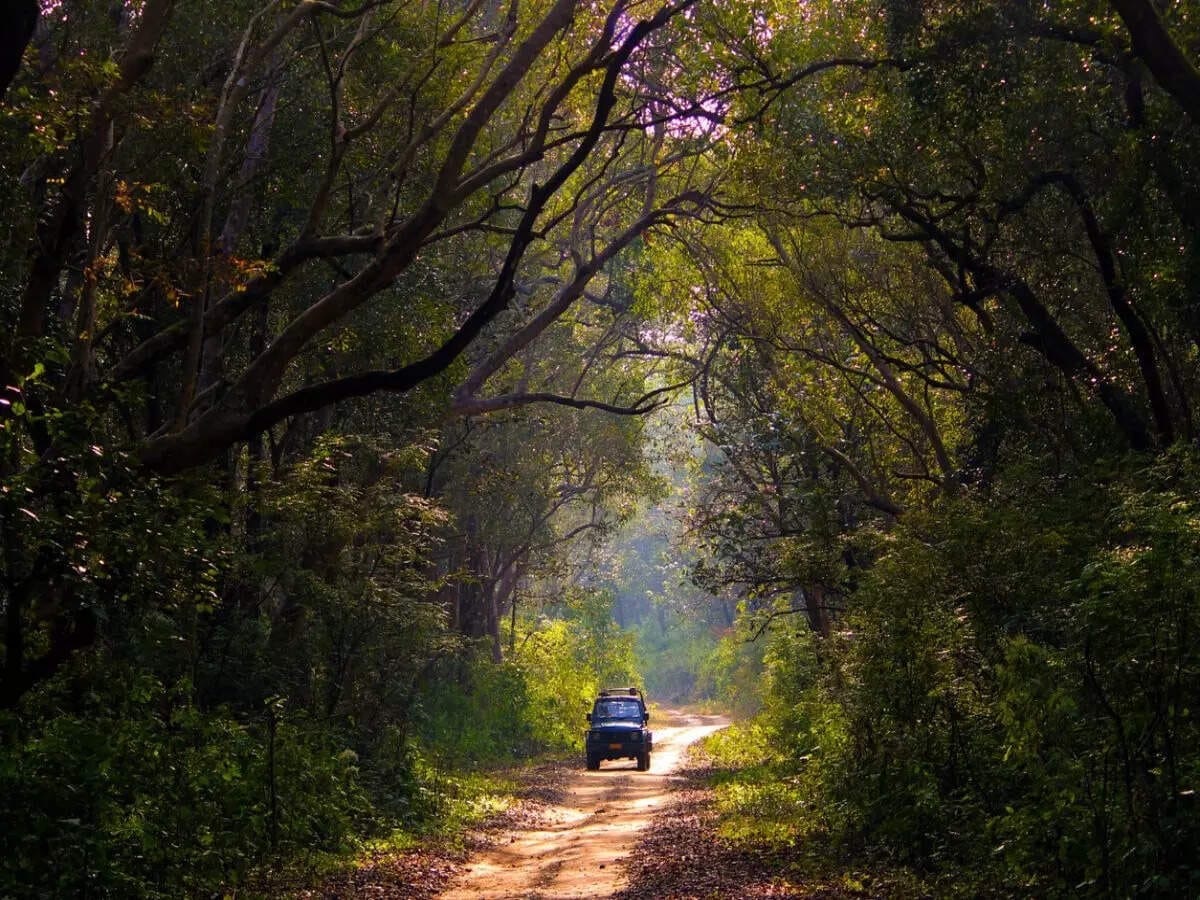
A forest trail in Tadoba Andhari Tiger Reserve, Maharashtra Maharashtra

Tadoba Andhari Tiger Reserve

Chandrapur district · ~150 km from Nagpur

Maharashtra's oldest and largest national park, declared in 1955 and named after Tadoba, the tribal deity local communities believe protects the forest. Teak and bamboo woodland opens into grassland and lakes, and the reserve is managed across three tourism ranges — Tadoba in the north, Moharli to the south-west and Kolsa in the south.

Its forests hold leopard, sloth bear, gaur, dhole, striped hyena and marsh crocodile alongside the tiger — and more than 190 species of birds.
  • TigersApprox. 80–100
  • Birdlife190+ species
  • Safari gates6 core · 17 buffer
Lakes & grassland Sloth bear Dhole Moharli & Kolara gates
A safari jeep on a forest trail under the jungle canopy of Pench Tiger Reserve, Madhya Pradesh Madhya Pradesh

Pench Tiger Reserve

Seoni & Chhindwara districts · The Jungle Book forest

Named for the Pench River that cuts through it, this is widely held to be the country Rudyard Kipling wrote into The Jungle Book — which makes it an unusually easy forest for a child to fall in love with. Protected as a sanctuary in 1965 and a national park in 1975, its core zones are entered through the Turia, Karmajhiri and Jamtara gates.

Turia is the busiest and best known, particularly in summer when wildlife comes down to the river. Karmajhiri is denser and quieter; Jamtara is the most secluded and the best of the three for sloth bear. Pench is also exceptional for birds, which makes the final morning's birding trail genuinely memorable.

  • TigersApprox. 50–60
  • Birdlife210+ species
  • Core gatesTuria · Karmajhiri · Jamtara
Jungle Book country Exceptional birding Sloth bear Pench River
In the Field

What a Wild Stride
camp looks like

Guided Jeep Safaris

Open-jeep drives into the core forest on the forest department's summer gate slots, with a naturalist explaining what the forest is doing as it happens.

Nature Trails on Foot

Walking the forest floor in permitted buffer areas, learning to read pugmarks, scat, scrapes, alarm calls and the quiet signals that give a forest away.

Birding Mornings

Binoculars in hand across reserves holding 190 and 210-plus recorded species — raptors overhead, rollers on the wires, warblers nobody else notices.

The Ranger Journal

Field notes, sketches and mission cards completed by the child, reviewed with a naturalist. It goes home as the real souvenir of the expedition.

Conservation Sessions

Why core zones close for the monsoon, why vehicle quotas exist, what a village on a forest boundary gives up — conservation as something reasoned, not recited.

The Expedition

Four days,
one wild adventure.

Every Ranger follows the same arc — Explorer, Tracker, Naturalist, Wildlife Ranger — with field missions, a personal journal and a graduation on the final morning.

Every child arrives as a Wild Ranger — exploring Tadoba's teak and bamboo forests with expert naturalists, and graduating as a young wildlife ambassador.

1
Theme · Explorer
Day One

Becoming a Wild Ranger

  • Arrive in Nagpur, breakfast, then the drive to Tadoba
  • Receive your Wild Ranger Kit & Journal, and meet the naturalists and fellow Rangers
  • Evening guided Nature Discovery Walk
  • Dinner & forest stories
2
Theme · Tracker
Day Two

Into the Wild

  • Early morning safari, with breakfast in the forest
  • Evening nature trail with a naturalist in the buffer zone, with high tea on the trail
  • Dinner & stories from the day
3
Theme · Naturalist
Day Three

Understanding the Wild

  • Morning bamboo craft with local artisans
  • Afternoon safari to understand the forest and animal behaviour more deeply
  • Dinner, a wildlife documentary & naturalist session
4
Theme · Wildlife Ranger
Day Four

The Ranger's Promise

  • Morning birding trail
  • Final journal & conservation reflection
  • Wild Ranger Graduation
  • Lunch, check-out and return to Nagpur for flights home
Contact Us for the Full Itinerary
Your Peace of Mind

Safety,
thoughtfully taken care of.

At The Wild Stride, every adventure begins with safety. From carefully selected stays and experienced naturalists to small groups and trained camp staff, every aspect of the expedition is planned with children in mind.

Small, supervised groups

Small groups mean closer attention — every child is known, noticed and looked after.

Experienced naturalists & trained staff

From the first morning to the last goodbye, experienced naturalists and trained camp staff are with the children throughout the camp.

Carefully selected stays

Child-friendly stays, chosen with care so the children feel safe, comfortable and at home.

Guided forest activities

Every forest activity is structured and conducted with authorised guides and naturalists.

Clear safety briefings

A clear safety briefing before every activity and every safari, so the children always know what to expect.

Buddy system & headcounts

Every child has a buddy, and regular headcounts are taken throughout the day.

Medical care, always at hand

First-aid and emergency protocols are in place, with a doctor on call throughout the expedition. The nearest hospital and medical facilities are identified in advance.

Emergency contacts on hand

Parent and guardian emergency contacts are kept by the camp team for every child, so you are never more than a call away.

Responsible wildlife viewing

We view wildlife responsibly, with strict adherence to forest regulations.

Parents stay connected for all four days — a written daily update with photographs, and a dedicated coordinator number that is always answered.

Ask Us Anything

Our Story

A note from the Founder

"The Wild Stride was born from a simple thought — I wanted to create the kind of camp I would feel completely comfortable sending my own child on."

A camp where children could be curious, explore freely and experience the magic of the natural world.

My love for wildlife and forests has always been a big part of my life, and over the years that passion has grown into a deeper belief in conservation. I wanted children to experience wildlife beyond photographs and screens — to hear the forest, notice the little things, ask questions and discover for themselves. To understand that a forest is not just about the big animals, but about every bird, insect, tree and tiny connection that makes it come alive.

The Wild Stride is our way of bringing children closer to that world. Every experience is thoughtfully created with their safety, curiosity and sense of wonder in mind. We hope they return with muddy shoes, wonderful stories and a deeper connection with nature.

Because when children learn to love the wild, they begin to care about protecting it. And that, to me, is where the real journey begins.

Years of friendship. And now, a dream we're building together.

The Wild Stride started as an idea close to my heart. Having my oldest friends step in, support it and help me bring it to life makes the journey even more meaningful.

They've been there through so many chapters of my life. And now, they're here for this one too.


The Team on the Ground

Who travels with your child

Every batch runs with a fixed team, briefed on the group before departure and introduced to parents beforehand.

Field Naturalist

Leads the forest

Runs safaris, trails and birding mornings, and turns every sighting into something a child actually understands.

Camp Chaperones

With the group, always

Adult supervision from wake-up to lights-out, with ratios kept low and Rangers grouped by age band.

First-Aid Trained Staff

On every camp

A stocked first-aid kit, medical notes held for each child, a doctor on call throughout, and the nearest hospital identified in advance.

Parent Coordinator

Your line in

Sends the daily update with photographs and answers the dedicated number for the length of the expedition.

Parent Questions

Everything you need to know

The Wild Stride expeditions are built for children aged 10 to 15. Rangers are grouped by age band on every batch, so the pace, the field missions and the journal work suit the child — a 10-year-old and a 15-year-old never share the same brief.
Four batches run in the 2027 summer window — one in March, two in April and one in May — split across Tadoba Andhari Tiger Reserve and Pench Tiger Reserve. Exact departure dates are being confirmed with the forest departments and our lodge partners, because safari permits and vehicle quotas are released on their schedule, not ours. Email us or message us on Instagram to register your interest.
It is hot — daytime temperatures in both reserves regularly pass 40°C in this window — and that is precisely why it is the strongest sighting season of the year. Surface water disappears, so wildlife concentrates around the few remaining waterholes, and the bare deciduous forest gives far clearer sightlines.
  • Safaris run only on the early-morning and late-afternoon gate slots the forest department opens for summer.
  • The middle of the day is spent indoors in air-conditioned accommodation — journal work, documentaries and naturalist sessions.
  • Coaches and rooms are air-conditioned, and hydration is checked by the team through the day.
Batches are deliberately small and capped. Group size is bound by the jeep quotas the forest department issues per gate, which means every Ranger gets a proper seat, a clear line of sight and real attention from the naturalist — rather than a place on a crowded canter.
In Tadoba we work with core gates on the Moharli and Kolara side of the reserve; the reserve has six core gates and seventeen buffer gates, each under a strict daily vehicle quota. In Pench we enter the core zone via the Turia gate, with Karmajhiri and Jamtara used when permits and recent animal movement favour them. Final gate allocation is only ever confirmed once permits are issued — the forest department controls every seat.
Every expedition travels in small, supervised groups with experienced naturalists and trained camp staff. There is a clear safety briefing before every activity and safari, a buddy system with regular headcounts, first-aid and emergency protocols in place, and a doctor on call throughout — with the nearest hospital and medical facilities identified in advance. You receive a written daily update with photographs, and a dedicated coordinator number is shared before departure and answered for the full duration of the camp.
A full packing list and medical form goes to every parent once a place is confirmed. In brief:
  • Earth-toned cotton clothing — greens, browns, khaki (no bright colours or white on safari)
  • Sturdy closed-toe walking shoes
  • Sun hat or cap, high-SPF sunscreen, insect repellent
  • A reusable water bottle
  • A warm layer for pre-dawn drives — mornings are cool even in May
  • Any personal medication, declared to the team in advance
  • Binoculars or a camera, if the child has them (optional)
Both expeditions begin and end at Nagpur, which is the nearest airport for Tadoba (around 150 km) and for Pench. Return transfers between Nagpur and the lodge are by air-conditioned coach and are included; airfare to and from Nagpur is not. Families flying in are met at the airport by the team.
No, and we will never claim one — anyone who does is selling you something. What we can tell you honestly is that April and May give the best odds of the year in both reserves, that we book the maximum permitted safaris on every expedition, and that the programme is designed so a child comes home fulfilled by the forest whether or not a tiger walks out of it.

Still have a question?Ask us directly — a real person replies, usually the same day.

Contact the Team Email
Follow the Expeditions @the.wild.stride

Sightings from the field, Ranger journal pages, birds we are still arguing about, and the first place summer 2027 dates get announced. If you want to know what these four days actually look like, this is the honest version.
Follow on Instagram Contact the Team
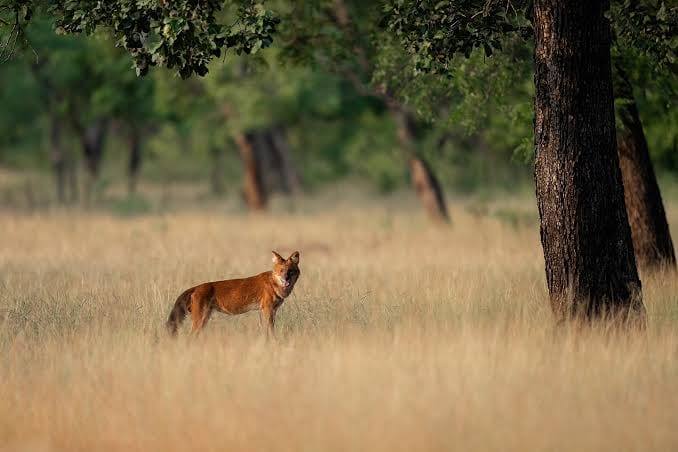
Bengal tiger in Tadoba, from The Wild Stride Instagram Sloth bear and cub, from The Wild Stride Instagram Indian wild dog, from The Wild Stride Instagram Hoopoe in Pench, from The Wild Stride Instagram Chital deer in Pench, from The Wild Stride Instagram Palash flowers in bloom, from The Wild Stride Instagram
Get in Touch

Let's talk about
your child.

Email or message us with your child's age and the forest that interests you, and we will come back with the summer 2027 dates, the full itinerary and an honest view of whether this is the right expedition for them.

What to tell us

Mention these four things in your message and we can answer everything in one reply.

  • 1
    Your child’s ageThe expeditions are built for ages 10–15, and rangers are grouped by age band on every batch.
  • 2
    Which forest interests youTadoba, Pench, or either reserve on the best available dates.
  • 3
    March, April or May 2027One batch runs in March, two in April and one in May — tell us what suits the school calendar.
  • 4
    Anything we should knowAllergies, medication, dietary needs, or a first time away from home. Held confidentially and shared only with the accompanying team.

Getting in touch does not confirm a place or oblige you to book. We share dates, the full itinerary and costs once permits are secured, and your details are used only to answer you — never passed on to anyone else.

They'll remember this
long after we do.

Four days in the forests of central India, and a reason to care about wild places for the rest of their life. Four batches only, across March, April and May 2027.

Tadoba & Pench 4 days · 3 nights Ages 10–15 Wild Ranger graduation

The wild is waiting.

Talk to Us